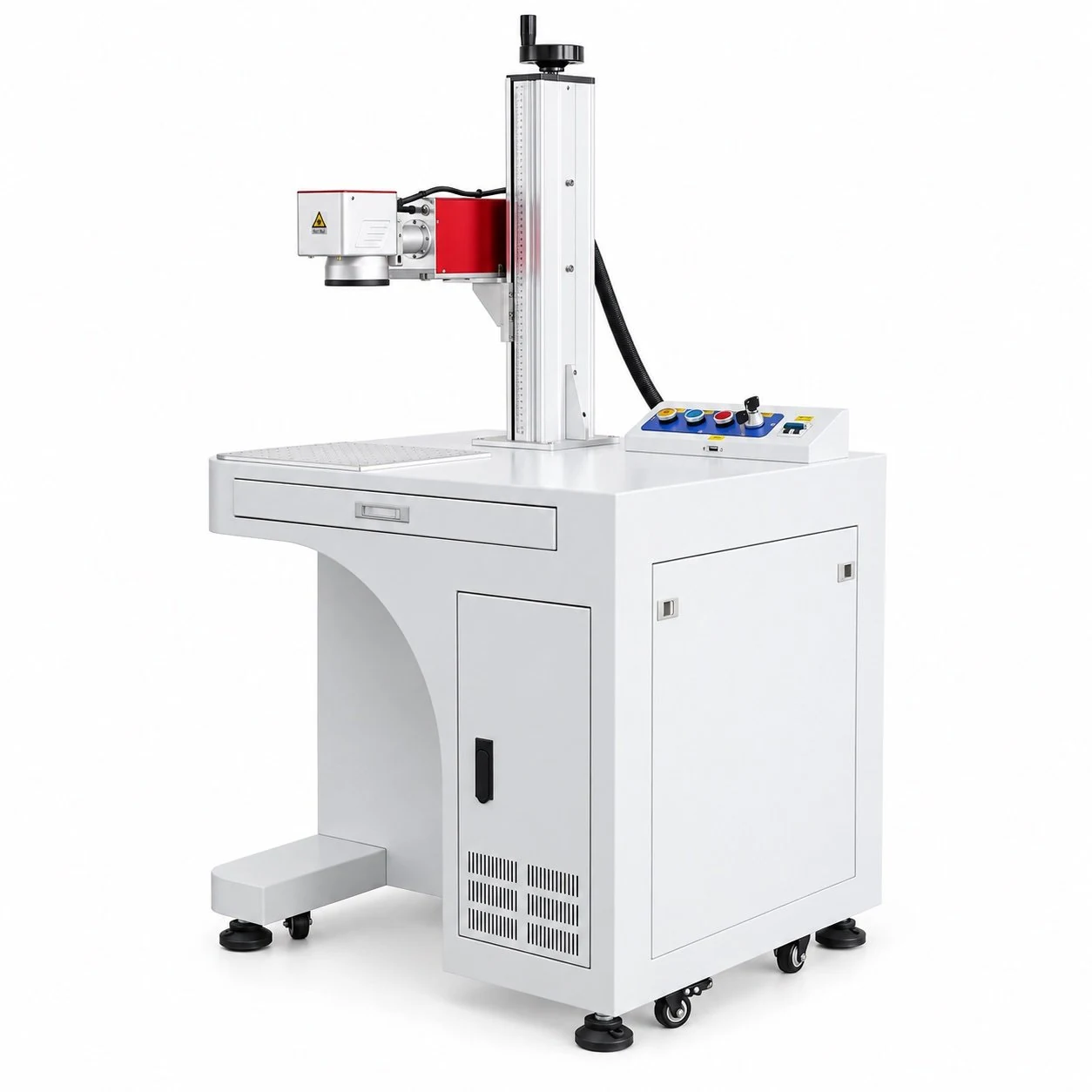
FY-LMM01
FY-LMM01 Floor-Standing Laser Marking Machine
Match the equipment to the material, part and production workflow.
View product ↗FYXFER CO2 laser marking machines are configured for controlled marking and engraving on wood, leather, acrylic, paper, rubber, organic materials and many coated surfaces. The right system depends on the substrate, required visual or tactile result, part geometry and production workflow. We review these requirements before recommending a machine.
Material.
Result.
Configuration.
Match the equipment to the material, part and production workflow.
Match the equipment to the material, part and production workflow.
View product ↗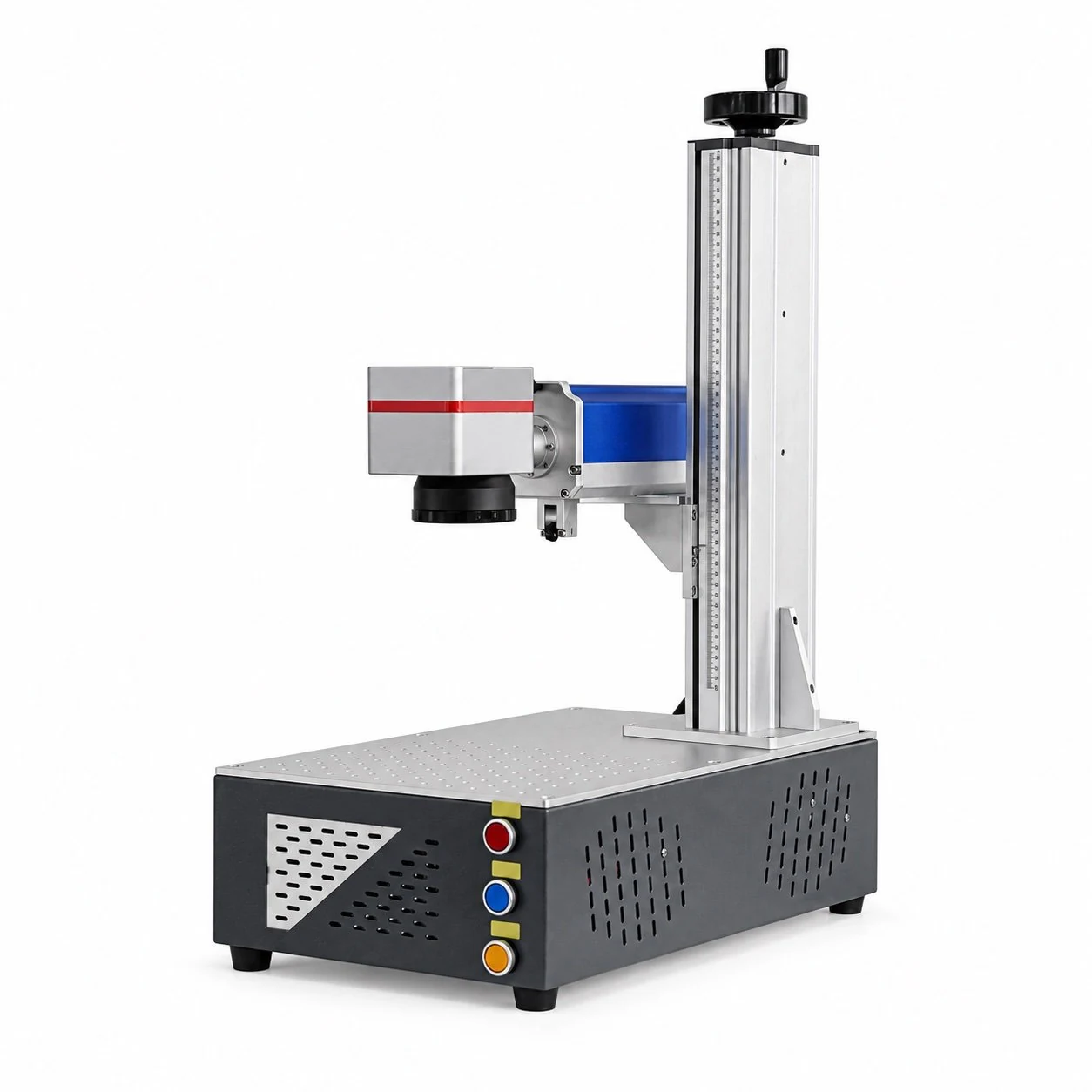
Match the equipment to the material, part and production workflow.
View product ↗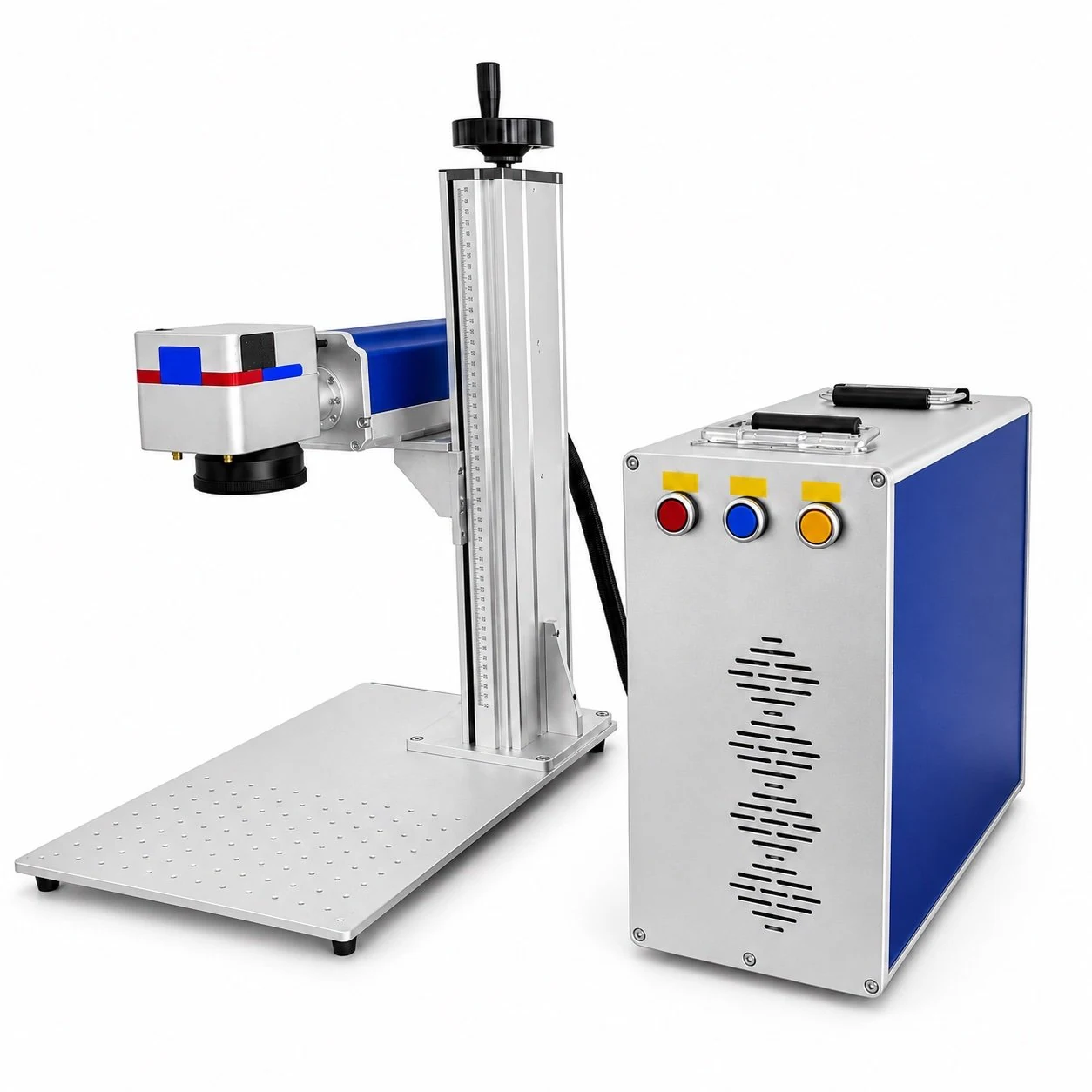
Match the equipment to the material, part and production workflow.
View product ↗Confirm the final equipment and configuration in the quotation.
Create logos, serial information, packaging marks and decorative graphics. Wood species and finishes respond differently, while paper and card require careful settings to control scorching.
Produce text, patterns, logos and traceability marks on compatible natural or synthetic leather, rubber and other organic materials. Test the actual formulation and surface treatment.
Engrave compatible acrylic and alter selected coatings to reveal contrast. On coated metal, the visible result often comes from changing the coating rather than directly marking bare metal.
Match the equipment to the material, part and production workflow.
A CO2 laser interacts effectively with many non-metal and organic surfaces. Final appearance varies by composition, color, coating and finish, so testing is the best way to confirm contrast, edge definition and acceptable heat effects.
A CO2 laser interacts effectively with many non-metal and organic surfaces. Final appearance varies by composition, color, coating and finish, so testing is the best way to confirm contrast, edge definition and acceptable heat effects.
Explore typical use cases on our laser marking applications page.
Create logos, serial information, packaging marks and decorative graphics. Wood species and finishes respond differently, while paper and card require careful settings to control scorching.
Produce text, patterns, logos and traceability marks on compatible natural or synthetic leather, rubber and other organic materials. Test the actual formulation and surface treatment.
Engrave compatible acrylic and alter selected coatings to reveal contrast. On coated metal, the visible result often comes from changing the coating rather than directly marking bare metal.
Confirm the selected equipment, fixtures, utilities, installation needs and supply scope before ordering.
Watch a decorative graphic take shape on a wood surface. Wood species, finish, artwork and machine settings affect the final result.
Watch a decorative graphic take shape on a wood surface. Wood species, finish, artwork and machine settings affect the final result.
Confirm the selected equipment, fixtures, utilities, installation needs and supply scope before ordering.
Start with the finished mark rather than a power label. Define the exact substrate, formulation, color, coating and production variation; then state artwork size, contrast, depth, readability, part geometry, loading method, expected output and integration requirements.
Start with the finished mark rather than a power label. Define the exact substrate, formulation, color, coating and production variation; then state artwork size, contrast, depth, readability, part geometry, loading method, expected output and integration requirements.
CO2 is not the default choice for direct marking on bare metal. For metal identification, compare fiber laser marking machines . For broader pulse control on compatible metals, review MOPA systems . For sensitive plastics, glass and electronics, consider UV laser marking machines .
Confirm the selected equipment, fixtures, utilities, installation needs and supply scope before ordering.
A CO2 laser interacts effectively with many non-metal and organic surfaces. Final appearance varies by composition, color, coating and finish, so testing is the best way to confirm contrast, edge definition and acceptable heat effects.
Explore typical use cases on our laser marking applications page.
Create logos, serial information, packaging marks and decorative graphics. Wood species and finishes respond differently, while paper and card require careful settings to control scorching.
Produce text, patterns, logos and traceability marks on compatible natural or synthetic leather, rubber and other organic materials. Test the actual formulation and surface treatment.
Engrave compatible acrylic and alter selected coatings to reveal contrast. On coated metal, the visible result often comes from changing the coating rather than directly marking bare metal.
Watch a decorative graphic take shape on a wood surface. Wood species, finish, artwork and machine settings affect the final result.
Start with the finished mark rather than a power label. Define the exact substrate, formulation, color, coating and production variation; then state artwork size, contrast, depth, readability, part geometry, loading method, expected output and integration requirements.
CO2 is not the default choice for direct marking on bare metal. For metal identification, compare fiber laser marking machines . For broader pulse control on compatible metals, review MOPA systems . For sensitive plastics, glass and electronics, consider UV laser marking machines .
A CO2 laser interacts effectively with many non-metal and organic surfaces. Final appearance varies by composition, color, coating and finish, so testing is the best way to confirm contrast, edge definition and acceptable heat effects.
Explore typical use cases on our laser marking applications page.
Create logos, serial information, packaging marks and decorative graphics. Wood species and finishes respond differently, while paper and card require careful settings to control scorching.
Produce text, patterns, logos and traceability marks on compatible natural or synthetic leather, rubber and other organic materials. Test the actual formulation and surface treatment.
Engrave compatible acrylic and alter selected coatings to reveal contrast. On coated metal, the visible result often comes from changing the coating rather than directly marking bare metal.
Watch a decorative graphic take shape on a wood surface. Wood species, finish, artwork and machine settings affect the final result.
Start with the finished mark rather than a power label. Define the exact substrate, formulation, color, coating and production variation; then state artwork size, contrast, depth, readability, part geometry, loading method, expected output and integration requirements.
CO2 is not the default choice for direct marking on bare metal. For metal identification, compare fiber laser marking machines . For broader pulse control on compatible metals, review MOPA systems . For sensitive plastics, glass and electronics, consider UV laser marking machines .
The source configuration, working field, focal setup, motion arrangement, enclosure, extraction, cooling, controller, fixture and optional rotary handling should be matched to the application. A larger field can change optical and process requirements, while deeper engraving may need a different configuration from surface identification.
A CO2 marking system is normally selected for localized surface processing. Cutting capability applies only when the configured equipment explicitly supports the required material, thickness, optics, motion platform, extraction and safety controls.
It can produce useful results on certain coated surfaces. Direct marks on bare metal generally call for a fiber or MOPA system.
No. Cutting capability must be explicitly engineered and stated for the material, thickness, motion system, optics, extraction and safety setup.
Materials with the same general name can contain different additives, pigments and coatings. Testing identifies achievable appearance and unacceptable burning, melting or residue.
Tell us what you need to mark, the result you expect and how the part will be loaded.
Compare fiber laser cutting formats for sheet metal and industrial fabrication.
It can produce useful results on certain coated surfaces. Direct marks on bare metal generally call for a fiber or MOPA system.
No. Cutting capability must be explicitly engineered and stated for the material, thickness, motion system, optics, extraction and safety setup.
Materials with the same general name can contain different additives, pigments and coatings. Testing identifies achievable appearance and unacceptable burning, melting or residue.
Start with your material and application. Add the dimensions, result and production target when known.
Continue on our contact page to share your application and request a configuration.
Discuss my application ↗