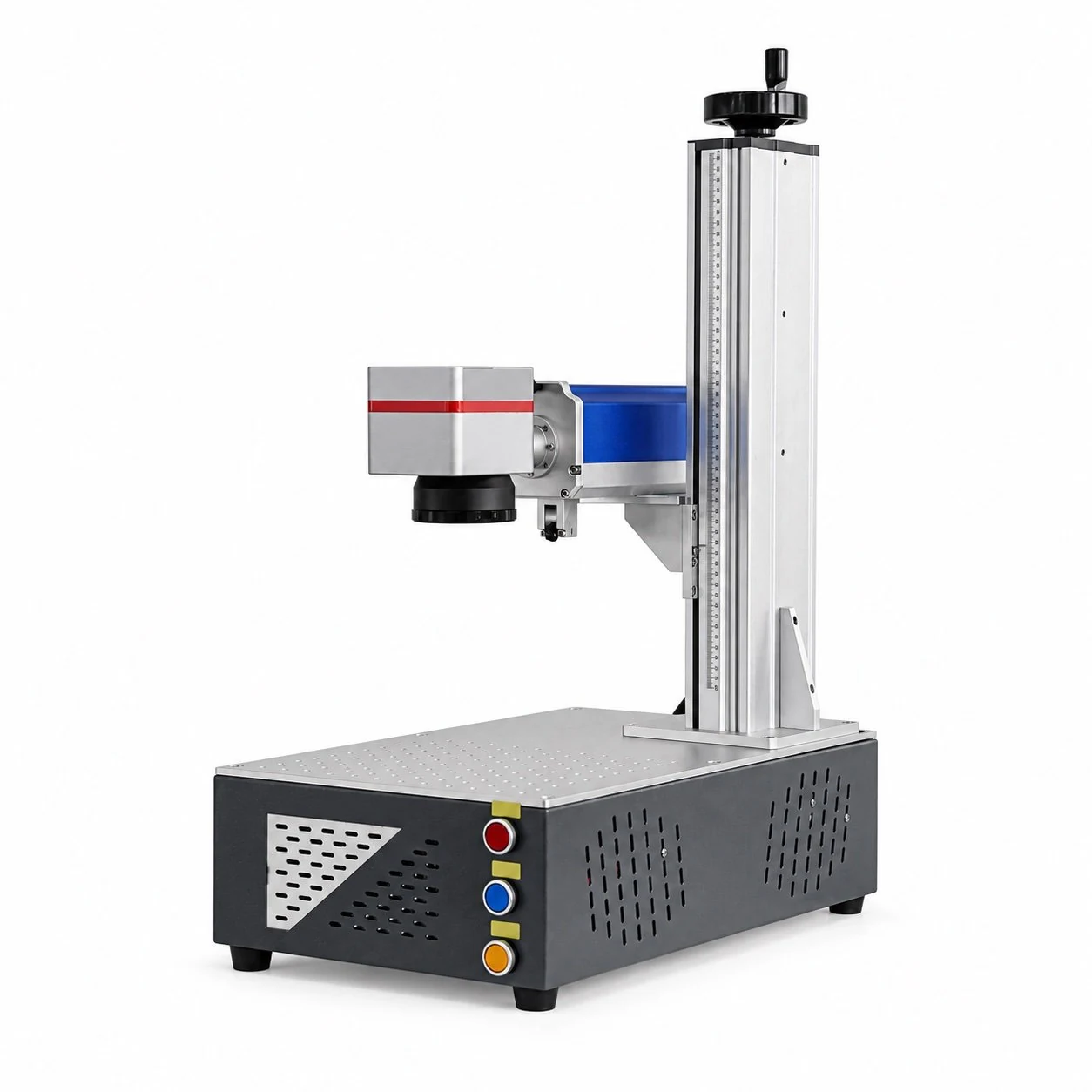
FY-LMM02
FY-LMM02 Desktop Laser Marking & Engraving Machine
Match the equipment to the material, part and production workflow.
View product ↗FYXFER UV laser marking machines are a suitable starting route for detailed marking on heat-sensitive or difficult-to-process materials. Available in 3W, 5W and 10W configurations, they can be evaluated for plastics, glass, electronic components, packaging and selected medical or cosmetic parts. Because contrast and surface response vary by formulation, we recommend testing actual samples before confirming the final configuration.
Material.
Result.
Configuration.
Match the equipment to the material, part and production workflow.
Match the equipment to the material, part and production workflow.
View product ↗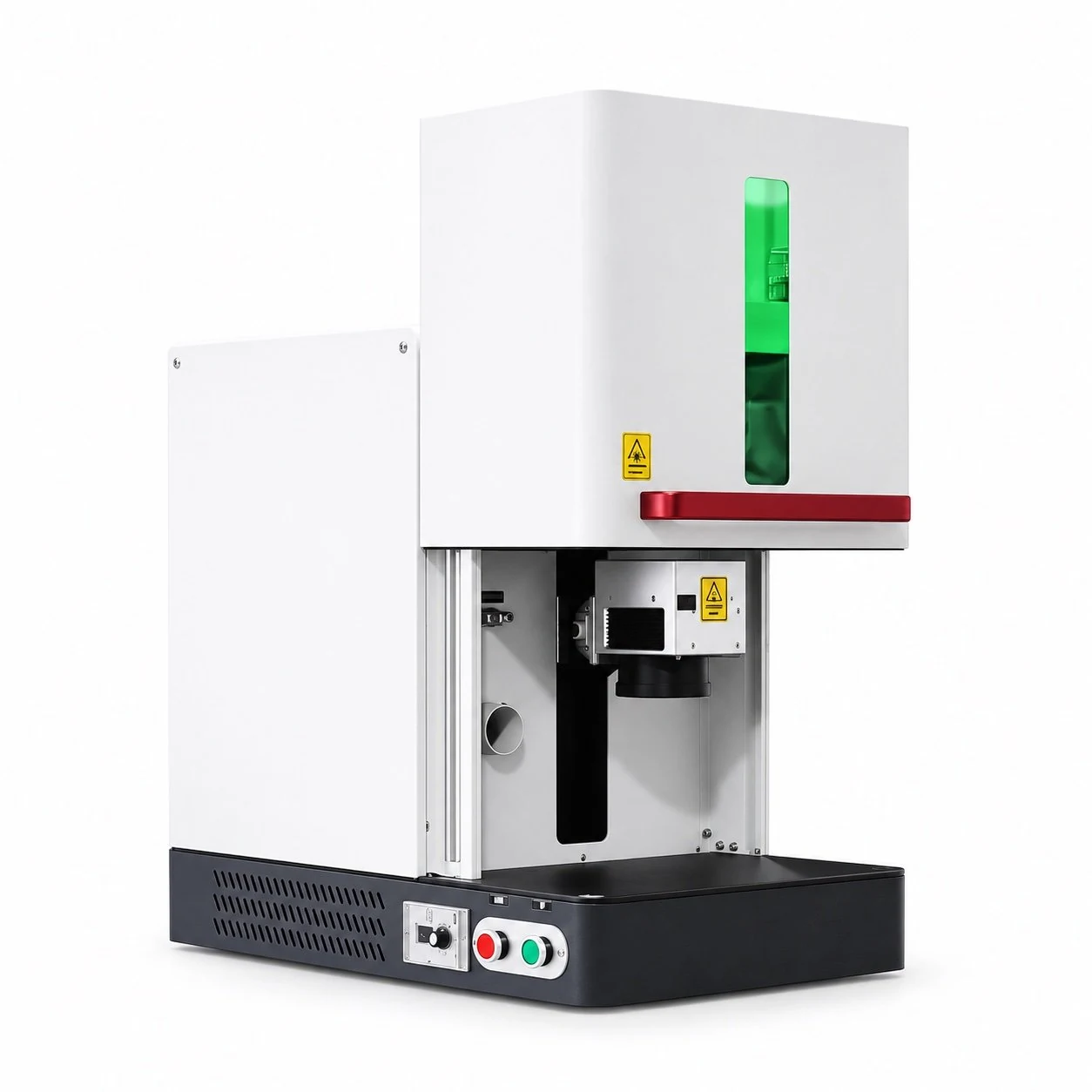
Match the equipment to the material, part and production workflow.
View product ↗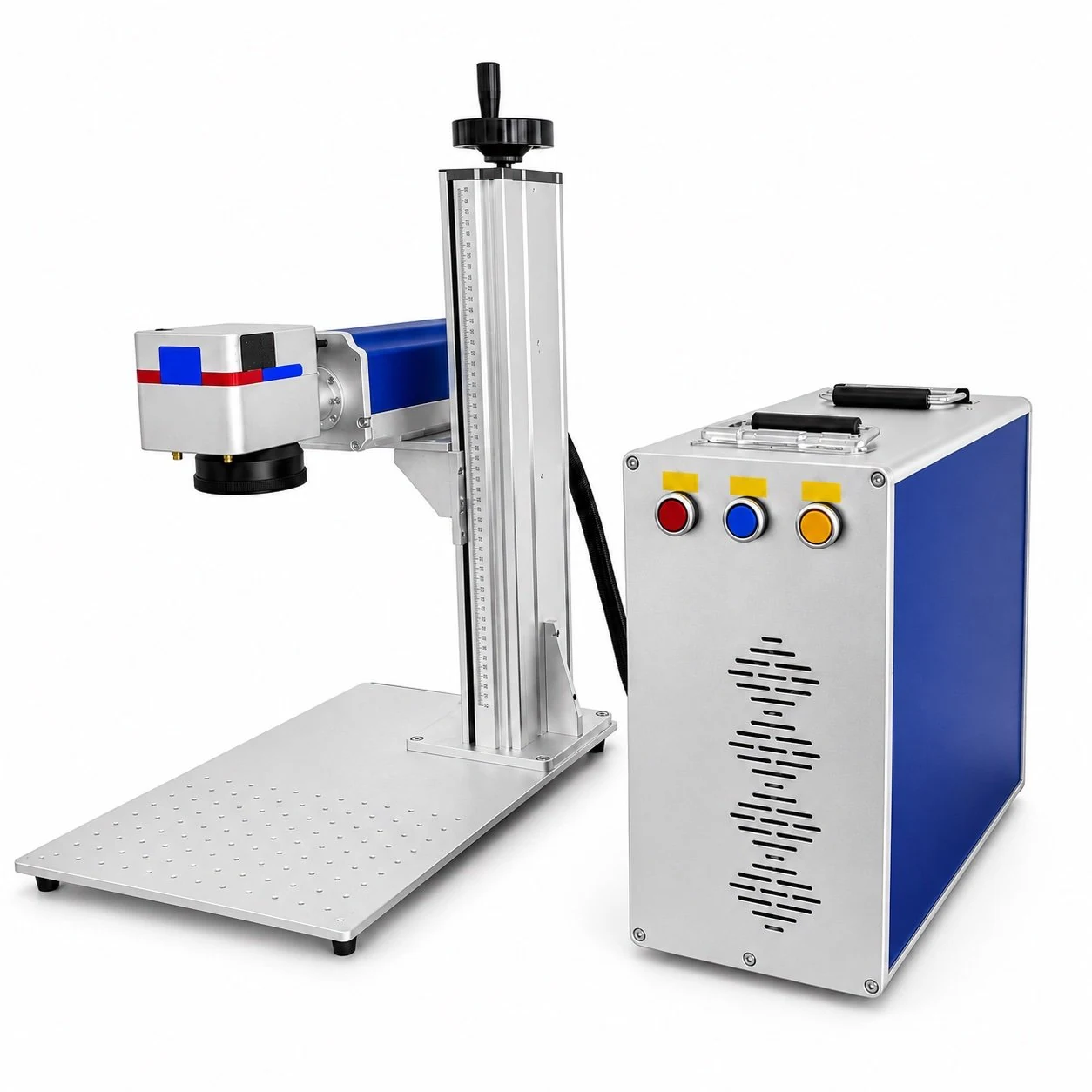
Match the equipment to the material, part and production workflow.
View product ↗Confirm the final equipment and configuration in the quotation.
Suitable plastics may produce fine text, logos, serial numbers, QR codes or identification marks with reduced thermal deformation. Polymer type, additives, pigments and finish can change the result.
UV technology can be evaluated for logos, codes and decorative details on suitable glass. Composition, thickness, coating and geometry must be tested to manage contrast and surface-damage risk.
Possible applications include compact component identification, symbols, batch information and machine-readable codes. Packaging films and coatings should be tested for readability without unacceptable damage.
Match the equipment to the material, part and production workflow.
UV marking is often selected when a part requires fine detail with limited heat input around the marked area. This can make it useful for materials that may deform, burn, melt or discolor excessively under another process. It is sometimes described as a cold process, but the practical heat effect still depends on the material, parameters and required result.
UV marking is often selected when a part requires fine detail with limited heat input around the marked area. This can make it useful for materials that may deform, burn, melt or discolor excessively under another process. It is sometimes described as a cold process, but the practical heat effect still depends on the material, parameters and required result.
For deep engraving or high-contrast metal marking, compare fiber laser engravers . For color or deep-black effects on suitable metals, see MOPA laser marking machines . For wood, leather, paper and many acrylic applications, visit CO2 laser marking machines .
Confirm the selected equipment, fixtures, utilities, installation needs and supply scope before ordering.
Explore more examples on our laser marking applications page.
Explore more examples on our laser marking applications page.
Suitable plastics may produce fine text, logos, serial numbers, QR codes or identification marks with reduced thermal deformation. Polymer type, additives, pigments and finish can change the result.
UV technology can be evaluated for logos, codes and decorative details on suitable glass. Composition, thickness, coating and geometry must be tested to manage contrast and surface-damage risk.
Possible applications include compact component identification, symbols, batch information and machine-readable codes. Packaging films and coatings should be tested for readability without unacceptable damage.
UV marking may suit selected housings, containers, caps and components. Equipment selection does not itself establish regulatory compliance; the completed process must be validated for the intended product and market.
Confirm the selected equipment, fixtures, utilities, installation needs and supply scope before ordering.
Watch the marking process across different sample objects and surfaces. Material composition, pigments, coatings and machine settings affect the result; sample testing confirms suitability for your application.
Watch the marking process across different sample objects and surfaces. Material composition, pigments, coatings and machine settings affect the result; sample testing confirms suitability for your application.
Audio uses added factory ambience from the YouTube Audio Library, not the original machine sound.
Confirm the selected equipment, fixtures, utilities, installation needs and supply scope before ordering.
UV marking is often selected when a part requires fine detail with limited heat input around the marked area. This can make it useful for materials that may deform, burn, melt or discolor excessively under another process. It is sometimes described as a cold process, but the practical heat effect still depends on the material, parameters and required result.
For deep engraving or high-contrast metal marking, compare fiber laser engravers . For color or deep-black effects on suitable metals, see MOPA laser marking machines . For wood, leather, paper and many acrylic applications, visit CO2 laser marking machines .
Explore more examples on our laser marking applications page.
Suitable plastics may produce fine text, logos, serial numbers, QR codes or identification marks with reduced thermal deformation. Polymer type, additives, pigments and finish can change the result.
UV technology can be evaluated for logos, codes and decorative details on suitable glass. Composition, thickness, coating and geometry must be tested to manage contrast and surface-damage risk.
Possible applications include compact component identification, symbols, batch information and machine-readable codes. Packaging films and coatings should be tested for readability without unacceptable damage.
UV marking may suit selected housings, containers, caps and components. Equipment selection does not itself establish regulatory compliance; the completed process must be validated for the intended product and market.
Watch the marking process across different sample objects and surfaces. Material composition, pigments, coatings and machine settings affect the result; sample testing confirms suitability for your application.
Audio uses added factory ambience from the YouTube Audio Library, not the original machine sound.
UV marking is often selected when a part requires fine detail with limited heat input around the marked area. This can make it useful for materials that may deform, burn, melt or discolor excessively under another process. It is sometimes described as a cold process, but the practical heat effect still depends on the material, parameters and required result.
For deep engraving or high-contrast metal marking, compare fiber laser engravers . For color or deep-black effects on suitable metals, see MOPA laser marking machines . For wood, leather, paper and many acrylic applications, visit CO2 laser marking machines .
Explore more examples on our laser marking applications page.
Suitable plastics may produce fine text, logos, serial numbers, QR codes or identification marks with reduced thermal deformation. Polymer type, additives, pigments and finish can change the result.
UV technology can be evaluated for logos, codes and decorative details on suitable glass. Composition, thickness, coating and geometry must be tested to manage contrast and surface-damage risk.
Possible applications include compact component identification, symbols, batch information and machine-readable codes. Packaging films and coatings should be tested for readability without unacceptable damage.
UV marking may suit selected housings, containers, caps and components. Equipment selection does not itself establish regulatory compliance; the completed process must be validated for the intended product and market.
Watch the marking process across different sample objects and surfaces. Material composition, pigments, coatings and machine settings affect the result; sample testing confirms suitability for your application.
Audio uses added factory ambience from the YouTube Audio Library, not the original machine sound.
More wattage does not automatically mean a better mark. The best choice depends on substrate formulation, coating, desired appearance, code size, marking area, production target and acceptable heat effect.
A practical option to evaluate for fine, detail-focused marking when high average power is not the main requirement.
A balanced starting point for varied production requirements, subject to the required contrast, marking area and cycle target.
Provides higher available average power where testing confirms that the material and process can benefit from it.
No. Results vary with resin, additives, pigments, fillers and surface treatment. Test the exact production material.
It can mark suitable glass, but composition, thickness, coating, geometry and parameters affect the outcome. Sample testing is required.
The decision should be based on tested material response, mark size, detail, contrast and production target.
Send part photographs, material information, artwork and the target result.
Compare fiber laser cutting formats for sheet metal and industrial fabrication.
No. Results vary with resin, additives, pigments, fillers and surface treatment. Test the exact production material.
It can mark suitable glass, but composition, thickness, coating, geometry and parameters affect the outcome. Sample testing is required.
The decision should be based on tested material response, mark size, detail, contrast and production target.
Start with your material and application. Add the dimensions, result and production target when known.
Continue on our contact page to share your application and request a configuration.
Discuss my application ↗